







Search Results for: phin filter
Vietnamese Drip Coffee Brewing Tutorial: How to Use a Phin Filter, Choosing Coffee Beans, and Making Iced Coffee with Condensed Milk
Vietnamese drip coffee, with its distinctive Phin filter and pairing with condensed milk, has become one of the most recognizable ways of drinking coffee in Southeast Asian coffee culture. This article begins with the historical origins, representative brands, and flavor characteristics of Vietnamese coffee, then systematically introduces the ingredients, steps, and timing control needed to make an authentic Vietnamese iced coffee, and explains the key points for choosing coffee beans suitable for a Vietnamese Phin—medium grind, freshly ground, and avoiding too many fine particles. The article also mentions related product recommendations from Front Street Coffee, making it a useful reference for coffee lovers who want to recreate the flavors of Vietnamese street coffee at home or in the office. [more…]
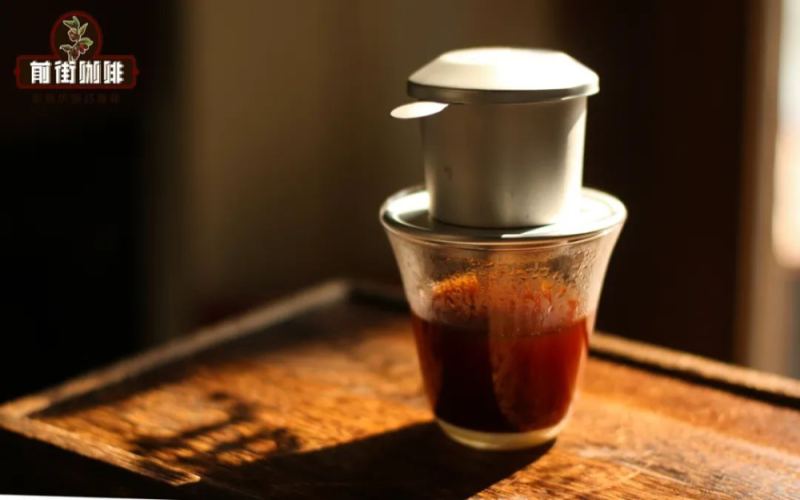
Vietnamese Drip Coffee Brewing Guide: How to Use a Phin and the Classic Pairing with Condensed Milk and Robusta
Vietnamese coffee is not simply about coffee beans grown in Vietnam; it represents a unique local beverage culture. After the French introduced coffee to Vietnam, it gradually became part of daily life. Vietnamese coffee is usually made from dark-roasted Robusta, paired with condensed milk to balance the intense bitterness, and extracted using a metal drip filter known as a "phin." Starting from Front Street's hands-on practice, this article explains in detail the structure of the phin, the key points of tamping, extraction parameters, and suggested condensed milk amounts, guiding you through the complete process of recreating an authentic cup of Vietnamese drip coffee, and sharing a layered tasting approach that goes from strong to sweet. [more…]
Analysis of Representative Coffee Bean Varieties in Vietnam: Robusta Flavor Characteristics and a Detailed Guide to Making Drip Coffee with Condensed Milk
Vietnamese coffee has long been a striking calling card of Southeast Asian food culture, and the core that sustains this distinctive flavor is none other than the Robusta bean, which accounts for over ninety percent of Vietnam's total coffee output. After the French introduced coffee to Vietnam, the locals combined the intense bitterness of dark-roasted Robusta with the sweetness of condensed milk, and with the help of the unique drip pot, created a cup of condensed milk coffee with unmistakable character. This article will guide you through the origin and status of Vietnamese Robusta, the structure and extraction principles of the drip pot, and, using Front Street Coffee's practical parameters as an example, present a complete demonstration of the process for making and enjoying a traditional cup of Vietnamese coffee. [more…]
Key Brewing Tips for Vietnamese Iced Coffee: Bean Selection, Phin Filter Operation, and Flavor Balance Techniques
Vietnamese iced coffee, with its silky texture and rich milky aroma, has become a favored refreshing drink in summer. Vietnamese people do not brew coffee with a coffee machine; instead, they use a dedicated metal drip filter, letting hot water pass through the coffee grounds bit by bit and drip slowly. To make an authentic Vietnamese iced coffee, the grind size of the coffee grounds, the amount of condensed milk, the tightness of the press, and the control of water temperature are all crucial. This article breaks down in detail every step from preparation to the completion of dripping, and provides reference standards for time and flow rate, helping you reliably recreate a fragrant, smooth Vietnamese iced coffee at home. [more…]
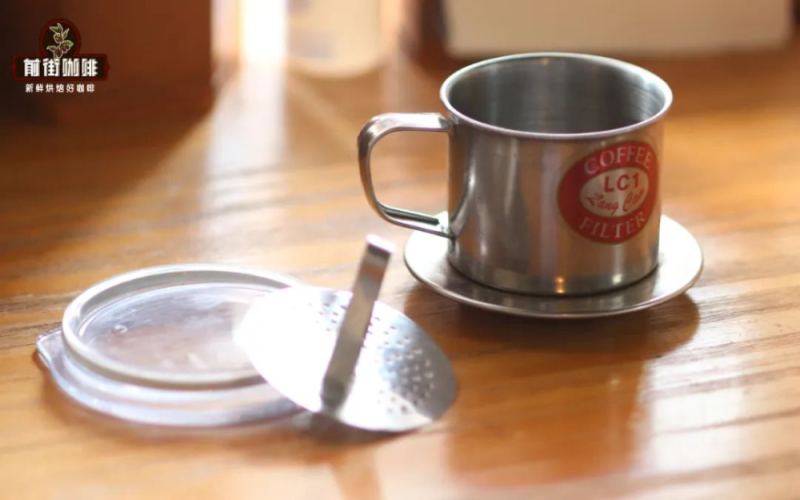
How to Use a Vietnamese Phin Filter? A Complete Practical Guide from Condensed Milk Coffee to Light-Roast Pour-Over
The Vietnamese drip filter has a simple structure and an affordable price, making it a practical choice for many coffee enthusiasts just starting out. After repeated testing with it, Front Street Coffee found that as long as you get the grind size, water temperature, and coffee-to-water ratio right, this device—which seems suited only to strong, bitter Robusta—can also brew light-roast beans with floral and fruity acidity into a tasty cup, and can even make a decent latte. This article starts with the device's structure and extraction principles, then moves on to specific parameters for black coffee and iced lattes, taking you step by step through mastering the Vietnamese filter. [more…]
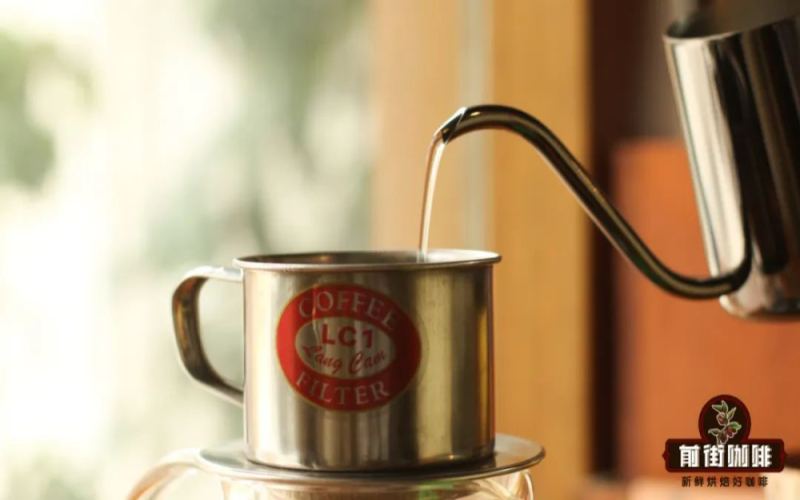
How to use a Vietnamese drip pot at home? Authentic drip coffee recipe and guide to choosing the right coffee beans
Every part of the world has its own distinctive coffee equipment; some, though not invented locally, have been perfected there. Ethiopia has the ceramic coffee pot, Turkey has the ceaselessly bubbling cezve, Italy has the moka pot, and Vietnam, with its "phin," has made drip coffee popular around the globe. This article will walk you through the structure and use of the Vietnamese phin, teach you step by step how to make an authentic cup of Vietnamese drip coffee at home, and answer the question of which coffee beans to use for drip coffee grounds. It will also include bean recommendations from Front Street Coffee to help you choose the right beans for your phin, so your brew comes closer to the flavors of a Vietnamese street stall. [more…]
Robusta Coffee Grounds Drinking Guide: Understanding Robusta Bean Characteristics and Vietnamese Drip Brewing Practice
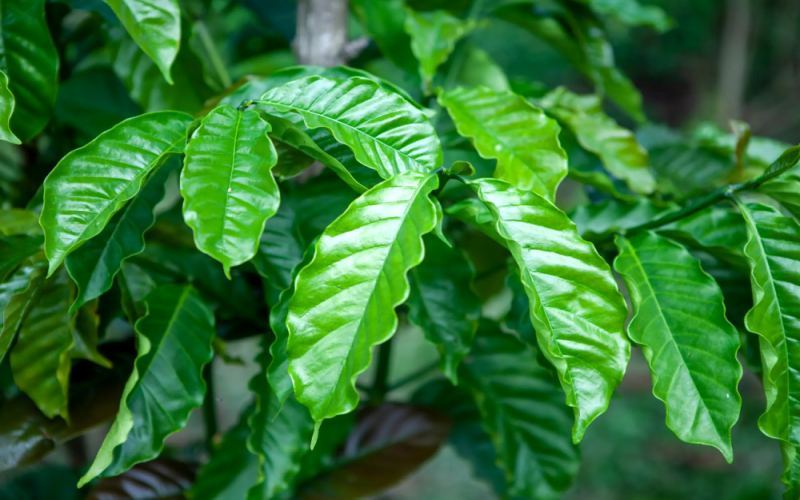
Robusta coffee beans are known for their intense bitterness and high caffeine content, and many people are at a loss when they get a bag of Robusta grounds. In fact, as long as you master the right blending approach or brewing method, Robusta can also present a pleasant side. This article will start with the botanical characteristics and flavor profile of the species, compare it with Arabica, introduce the pairing logic behind Front Street Coffee's Classic Blend and Commercial Blend, and finally demonstrate the Vietnamese phin filter process step by step, teaching you how to make a cup of Vietnamese coffee at home that is rich with roasted aroma and blends perfectly with condensed milk. [more…]

Analysis of the Vietnamese drip pot: Can it handle pour-over coffee brewing?
In coffee cultures around the world, almost every producing region has its own distinctive brewing device. The Vietnamese phin is one of the most representative examples—simple in structure and easy to use, it is an essential tool for making Vietnamese condensed milk coffee. This article begins with the phin's construction and historical origins, then explains its standard method of use in detail, and, drawing on Front Street Coffee's actual extraction parameters, explores an interesting question: can this drip brewing device be used for pour-over coffee? If you are interested in exploring the many ways to use brewing devices, why not follow along with Front Street and give it a try. [more…]
Where Does Vietnamese Coffee Flavor Come From? A Full Analysis of Varieties, Drip Techniques, and Five Representative Brands
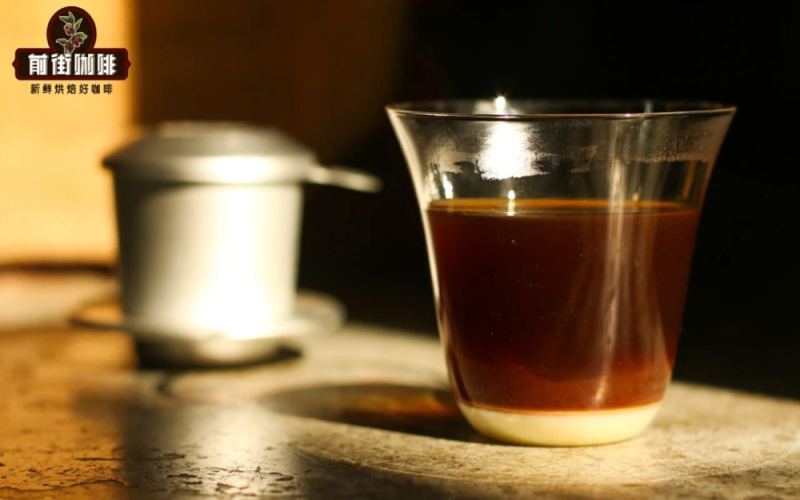
Vietnam is the world's second-largest coffee-producing country, and its coffee is renowned worldwide for its unique style—rich, sweet, robust, and romantic. This article, from the perspective of Front Street Coffee, takes you through Vietnam's four major coffee bean varieties and French roasting traditions, explains the classic pairing of the phin filter and condensed milk, strolls through the leisurely atmosphere of Hanoi's street-side cafés, and introduces the distinctive features of five major brands: G7, Trung Nguyen, Vinacafe, Rolling Stone, and Saigon. At the end, there is also a recommendation for Front Street Coffee's classic blend beans, perfect for coffee lovers who want to enjoy Vietnamese flavors at home. [more…]

Front Street Coffee Complete Knowledge Collection: A Coffee Learning Guide and Practical Manual from Beginner to Advanced
The Front Street official account has insisted on daily updates for many years, accumulating a massive amount of educational content covering every area of coffee. From the origins of coffee beans to the birth of a finished cup of coffee, from basic terminology to advanced brewing techniques, the articles have touched on virtually every question a coffee lover might encounter. This article reorganizes that content along a learning path, dividing it into sections such as must-reads for beginners, tasting methods, brewing techniques, advanced improvement, and Front Street's random musings on industry topics, making it easy for readers to quickly locate the knowledge they need based on their own stage, and also convenient for systematically filling in gaps. Whether you are a novice just getting into coffee or an advanced player hoping to hone your skills, you can find corresponding content here. [more…]
Vietnamese Coffee Bean Varieties Flavor Analysis and Mainstream Brand Characteristics Buying Guide
Vietnamese coffee is famous for its strong aroma, mild acidity, and full-bodied taste, and is traditionally often served with condensed milk. This article outlines the bean characteristics, the reasons behind the flavor, representative brands, and the differences among instant coffee products of Vietnamese coffee, while retaining relevant Front Street Coffee recommendations, to help coffee lovers gain a comprehensive understanding of the unique charm of Vietnamese coffee and how to choose it. [more…]

Pour-Over Coffee Beginner's Guide | How Should Coffee Newbies Choose Coffee Filters? How Do You Use Coffee Filters? What Types of Coffee Filters Are There?
For professional coffee knowledge exchange and more coffee bean information, please follow FrontStreet Coffee. How to choose coffee filter paper? How to use coffee filter paper? What types of coffee filter paper are there? Many enthusiasts buy their own coffee beans, use a grinder, and purchase equipment to brew coffee, all [more…]
How to Choose Pour-Over Coffee Filters? A Complete Guide to the Flavor Differences and Cleaning & Maintenance of Metal Filters, Paper Filters, and Cloth Filters
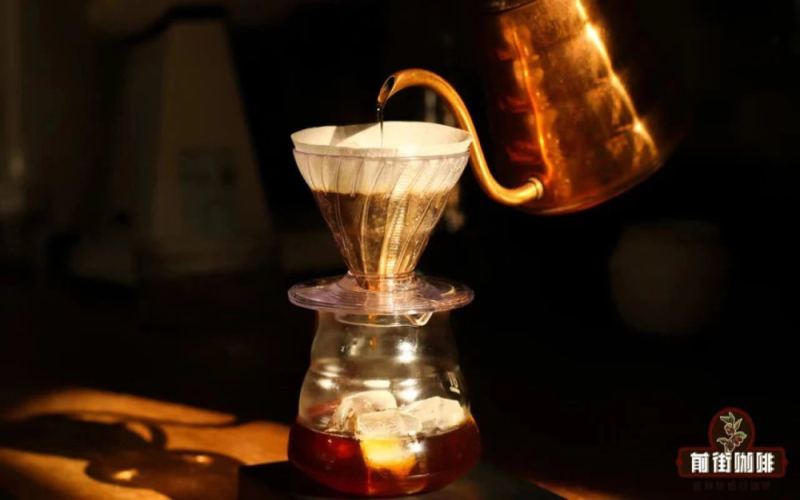
In the world of pour-over coffee, the choice of filter material often determines the direction of the flavor in the cup. Metal filters, paper filters, and cloth filters each have their adherents—what kind of taste experience does each bring? Are metal filters really clean and hygienic? And how should cloth filters be properly maintained? Starting from their pros and cons, this article will analyze the characteristics of these three common filter materials one by one, and share practical cleaning tips to help you find the brewing partner that suits you best among a dazzling array of equipment. Whether you prefer bright acidity or a rich, full-bodied taste, understanding the principles of filters will let you control the performance of every cup of coffee with greater ease. [more…]
How to Choose and Use Coffee Filters? A Complete Guide to Bleached vs. Unbleached, Cone Filter Parameters, and Three Brewing Methods
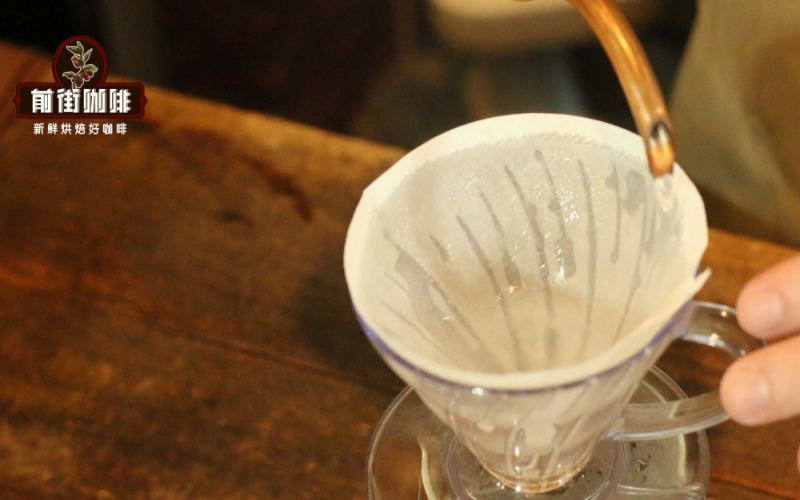
Brewing coffee at home—paper filters, metal filters, or cloth filters: how exactly should you choose? This article starts with the difference between bleached and unbleached paper filters, explains why you should rinse your paper filter, and lists the weight and feel of several common cone-shaped paper filters for reference. It also compares metal filters, flannel cloth filters, and drip coffee bags by their pros and cons. Whether you're after a clean, crisp cup or want to keep more of the coffee oils and original flavors, you'll find the right filtration solution for you here, and avoid detours when shopping. [more…]
How to Choose Coffee Filters? A Full Breakdown of the Pros and Cons of Metal Filters, Paper Filters, and Cloth Filters, Plus Daily Maintenance
When brewing a good cup of coffee, the choice of filter often determines the direction of the final flavor. Metal filters, paper filters, and cloth filters each have their own fans—what kind of taste performance do they each bring? And how should they be cleaned and maintained to extend their lifespan and avoid off-flavors? Starting from real-world experience, this article analyzes the pros and cons of three common filter materials one by one, and includes simple and effective maintenance methods to help you find the brewing partner that suits you best among the dazzling array of equipment. [more…]

Coffee Grounds Filtration Tools | Filter Paper, Filter Mesh, or Filter Cloth: Which Is More Convenient and Effective for Filtering Coffee Grounds? What Are the Pros and Cons of Filters Made from Different Materials?
A pot of aromatic and enchanting coffee, of course, must be paired with elegant coffee equipment. When it comes to the wide variety of equipment, why do some people prefer certain types? Today we are going to talk about the equipment they like, and what magic it actually has that can change the coffee they brew. Using simple words and principles, we will [more…]
How to Choose the Filter Material for Pour-Over Coffee? A Complete Comparison of the Pros and Cons of Paper Filters, Metal Filters, and Cloth Filters
In the world of pour-over coffee, the choice of filter material is often underestimated, yet it directly determines the direction of the flavor in the cup. Paper filters, metal filters, and cloth filters each have their adherents, and they differ vastly in how much they intercept oils, fine particles, and flavor compounds. This article begins with the century-old origins of the coffee paper filter, then breaks down one by one the structural principles, operational experience, and pros and cons of the three filtration methods, along with a comparison of mainstream filters such as KONO, HARIO, and CHEMEX, as well as practical advice from Front Street Coffee for everyday brewing. Whether you prefer a clean, bright sense of layering or pursue a thick, full-bodied original flavor, you can find the filtration solution that suits you in this article. [more…]
Do You Need to Rinse Pour-Over Coffee Filters First? A Full Guide to Buying Tips and Proper Use
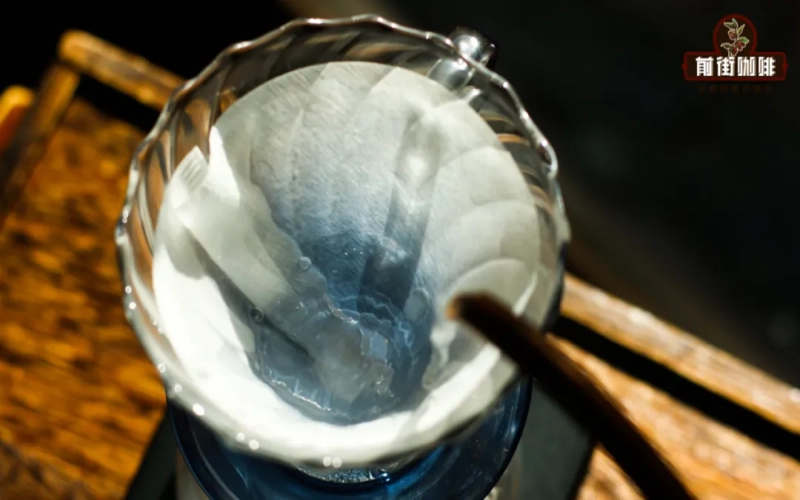
When brewing pour-over coffee, should you really pre-wet the paper filter? This is a confusion many people encounter when they first get into pour-over. Some insist that wetting the filter is essential, while others brew directly with a dry filter. Which approach is actually more reasonable? The answer isn't absolute—it needs to be judged from three dimensions: how well the filter fits the dripper, the odor of the filter itself, and the storage environment. In addition, when wetting the filter, whether to use cold or hot water also matters—the choice of water temperature directly affects how well odors are removed and how well the equipment is preheated. Faced with the dazzling array of filter products on the market, the differences in flow rate and filtration effectiveness brought by different materials and manufacturing processes are huge. How should beginners choose? Front Street Coffee, drawing on practical experience, sorts out these key questions about pour-over filters one by one to help you make more suitable choices in your daily brewing. [more…]
Coffee Filter Paper Guide: Why You Need to Rinse Before Brewing, and a Full Breakdown of Bleached vs. Unbleached Filters
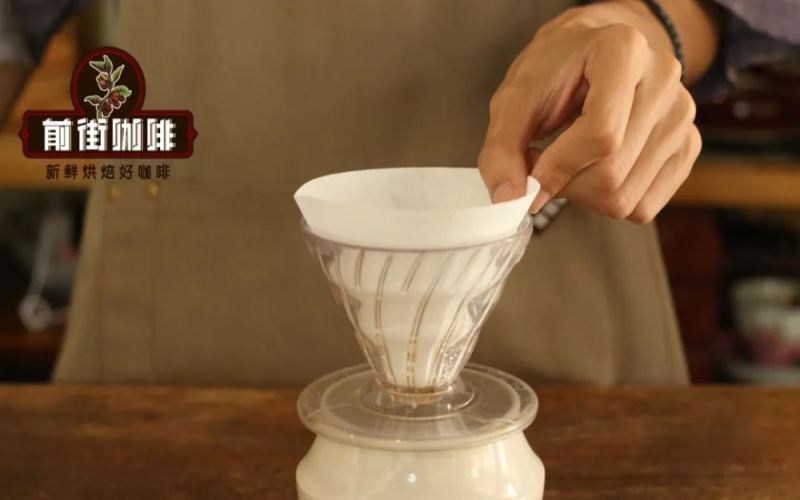
In the daily routine of pour-over coffee, filter paper is an almost indispensable consumable. But have you ever wondered why you usually need to rinse the filter paper with water before the official pour? Between the common white filter papers and natural wood-colored filter papers on the market, which one should you actually choose? Regarding the origins of filter paper, the impact of bleaching processes on flavor and health, the classification of sizes and specifications, and how different manufacturing processes affect the flow rate, Front Street will sort through all of it one by one in this article to help you choose the right filter paper and get the most out of every sheet. [more…]
How to Choose and Use Pour-Over Coffee Filters? The Differences Between Bleached and Natural Filters and How Their Craft and Structure Affect Extraction
Before making pour-over coffee, many people first take a filter paper, fold it, and place it into the dripper, then add the coffee grounds. What role does the filter paper actually play? And how should you choose between white and natural-colored filter papers available on the market? This time, Front Street Coffee starts from the origin of filter paper, sorting out the pros and cons of bleached and unbleached filter papers, common size specifications, and further discusses how manufacturing processes and filter paper structure affect the flow rate, thereby influencing the final extraction. At the end of the article, combined with Front Street's experience, it offers purchasing ideas that are either more convenient or more environmentally friendly, helping you find a balance between flavor purity, operating habits, and environmental considerations. [more…]